


Conveyors in Irish Manufacturing: A Guide 2026
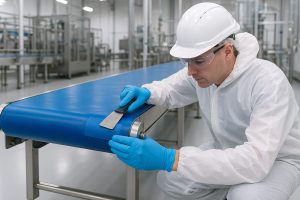 Irish manufacturing has never stood still. From food and beverage plants in Kilkenny to pharmaceutical facilities in Cork, the pressure to move product faster, safer, and more efficiently is constant. At the heart of almost every production line sits a conveyor system — and the role that system plays has never been more important or more sophisticated.
At Noreside Engineering, our Conveyors Ireland division has spent years helping Irish manufacturers specify, install, and maintain conveyor solutions that genuinely match their operations. This guide explores the current state of conveyor technology in Ireland, what to look for when investing, and where the sector is headed.
Why Conveyor Systems Are Central to Modern Manufacturing
A conveyor system does far more than move goods from A to B. In a well-engineered facility, it is the connective tissue between every stage of production — linking intake, processing, inspection, packaging, and despatch into a single, coherent flow. When that flow breaks down, so does everything else.
Ireland’s manufacturing base is diverse, and conveyor requirements reflect that diversity. The needs of a high-care food processing facility are fundamentally different from those of a pharmaceutical cleanroom or a busy distribution centre. The right system is one that is designed around the product, the environment, and the throughput targets — not the other way around.
The Scale of the Challenge for Irish Manufacturers
Irish manufacturing employs over 230,000 people and contributes significantly to national exports, with food and drink alone accounting for over €15 billion annually. As labour costs rise and margin pressure intensifies, manufacturers are increasingly looking to their material handling infrastructure as a lever for operational improvement. A conveyor system that eliminates manual handling, reduces product damage, and integrates with downstream automation is no longer a luxury — it is a competitive necessity.
A Practical Overview of Conveyor Types
Understanding the options available is the first step in specifying the right system. The most commonly deployed conveyor technologies in Irish manufacturing facilities include:
- Belt Conveyors: The workhorse of manufacturing. Flat or inclined belt conveyors handle a wide range of products and are particularly well-suited to food and beverage applications where hygiene and ease of cleaning are paramount.
- Modular Plastic Belt Conveyors: Increasingly popular in food processing environments, modular belts offer excellent cleanability, flexibility of configuration, and durability under demanding wash-down conditions.
- Roller & Gravity Conveyors: Ideal for heavier loads or palletised goods. Gravity roller systems are cost-effective for simple accumulation tasks, while powered roller conveyors enable more precise control over product flow.
- Chain Conveyors: Used where heavy-duty performance is required, chain conveyors are well-suited to automotive, engineering, and heavy manufacturing environments where robust throughput is non-negotiable.
- Overhead and Inverted Conveyors: Where floor space is limited, overhead conveyor systems move product above the production floor, freeing up valuable workspace and enabling more flexible facility layouts.
Hygiene, Compliance, and the Irish Regulatory Landscape
For manufacturers operating in food, pharmaceutical, or medical device sectors, conveyor specification is inseparable from regulatory compliance. The Food Safety Authority of Ireland (FSAI) and the Health Products Regulatory Authority (HPRA) set demanding standards — and a conveyor system that cannot be properly cleaned and validated is a liability, not an asset.
Stainless Steel and Hygienic Design Principles
Hygienic conveyor design goes beyond the choice of belt material. Frame construction, drive placement, belt tensioning systems, and the elimination of horizontal surfaces where product or moisture can accumulate are all critical considerations. Stainless steel fabrication — a core capability of our Stainless Solutions division — allows us to deliver conveyor systems that meet the most demanding hygienic standards while maintaining the structural integrity required for continuous industrial use.
For high-care environments, European Hygienic Engineering and Design Group (EHEDG) guidelines provide a clear framework for equipment design. Working with a fabricator who understands these principles from the outset avoids the costly retrofitting that often results from purchasing off-the-shelf systems that were never designed with Irish regulatory requirements in mind.
Conveyor Systems and the Automation Ecosystem
The most significant shift in conveyor technology over recent years is not in the conveyors themselves — it is in how they connect to the wider automation ecosystem. Standalone conveyor lines are being replaced by intelligent material handling networks that communicate in real time with upstream and downstream equipment.
Smart Conveyors and Industry 4.0 Integration
Modern conveyor systems can be equipped with a range of intelligent technologies that transform them from passive infrastructure into active contributors to operational performance:
• Variable Speed Drives (VSDs): Allow conveyor speed to be adjusted dynamically in response to production demand, reducing energy consumption during low-throughput periods.
• Integrated Sensors and Vision Systems: Detect product presence, orientation, and quality in real time, triggering diversions, rejections, or alerts without manual intervention.
• Condition Monitoring: Vibration, temperature, and current sensors on drive motors and bearings provide early warning of developing faults, enabling planned maintenance rather than reactive breakdown response.
• SCADA and MES Integration: Conveyor control systems that communicate with plant-level SCADA or Manufacturing Execution Systems provide management teams with live visibility of throughput, OEE, and fault histories.
The Importance of Ongoing Maintenance and Support
A well-specified conveyor system that is poorly maintained will underperform within months of installation. In Irish manufacturing, where many plants operate extended shift patterns and production schedules leave little room for unplanned downtime, a robust maintenance strategy is not optional.
Our Site Services and Maintenance division provides planned preventative maintenance programmes tailored to each client’s production schedule and risk profile. From belt tension checks and drive alignment through to full condition audits and emergency breakdown response, we support Irish manufacturers in keeping their conveyor infrastructure performing at its best.
Thinking in Lifecycle Costs, Not Capital Costs
When evaluating conveyor investment, the temptation to focus solely on capital cost is understandable — but rarely leads to the best outcome. A system that costs less to purchase but requires frequent belt replacement, is difficult to clean, or demands specialist engineers for routine maintenance will almost certainly cost more over a five- or ten-year period. Specifying for total cost of ownership, with maintainability and spare parts availability factored in from the outset, consistently delivers better value for Irish manufacturers.
Sustainability and Energy Efficiency in Conveyor Design
As Irish manufacturers face increasing pressure to demonstrate progress against ESG commitments and respond to rising energy costs, conveyor systems have emerged as a meaningful area for improvement. The Sustainable Energy Authority of Ireland (SEAI) has highlighted industrial energy efficiency as a priority, and material handling infrastructure is a significant contributor to facility-wide energy consumption.
Energy-efficient motor selection, intelligent drive control, and layout optimisation — reducing unnecessary conveyor runs and eliminating product transfers that add distance without adding value — can deliver measurable reductions in electricity usage. Combined with the shift to LED lighting and more efficient processing equipment, conveyor upgrades form part of a coherent energy management strategy rather than a standalone initiative.
The Noreside Engineering Approach to Conveyor Projects
No two production environments are alike. That principle shapes everything we do in our Conveyors Ireland division. We begin every project with a thorough understanding of the product being handled, the environment it operates in, the throughput targets the client needs to hit, and the long-term ambitions for the facility. Only then do we begin designing a solution.
Our in-house fabrication capability — centred on stainless steel and engineered for hygiene — means we are not constrained by catalogue solutions. Where a standard system will serve a client well, we will say so honestly. Where bespoke design is needed to meet the real requirements of the application, we have the engineering capability and manufacturing infrastructure to deliver it.
From initial survey through to commissioning, operator training, and ongoing maintenance support, we work alongside our clients as a long-term engineering partner — not simply a supplier.
Ready to Rethink Your Conveyor Infrastructure?
Whether you are specifying a conveyor system for a new facility, looking to upgrade an existing line, or dealing with persistent maintenance challenges on ageing equipment, our team is ready to help. Contact our conveyor specialists at Noreside Engineering to arrange a consultation and find out what is possible for your operation.
Contact Us
"*" indicates required fields
FAQs: Conveyors in Irish Manufacturing
What conveyor system is best for a food manufacturing facility?
There is no single answer — it depends on the product, environment, throughput, and cleaning regime. Belt conveyors with hygienic design are commonly used in food processing, while modular plastic belts are preferred where frequent washdown is required. A site survey with a qualified engineer is the best starting point.
How do I ensure my conveyor meets FSAI and EU hygiene standards?
Specify to EHEDG guidelines from the outset. This means selecting materials compatible with food contact, eliminating crevices and horizontal surfaces where product or moisture accumulates, and ensuring the system can be fully cleaned without disassembly. Working with a fabricator experienced in hygienic design avoids the need for costly modifications post-installation.
Can an existing conveyor system be upgraded rather than replaced?
In many cases, yes. Drive upgrades, belt replacements, addition of sensors, and integration with new control systems can significantly extend the productive life of an existing conveyor. A condition audit will establish what is viable and where the value-for-money threshold lies between upgrade and replacement.
How does conveyor design affect overall energy consumption?
Motor selection, drive control, and layout all influence energy use. Variable speed drives that match conveyor speed to actual demand can produce significant savings over fixed-speed systems. Reducing unnecessary conveyor length and minimising product transfers also cuts the energy required to move goods through a facility.
What maintenance programme is recommended for an industrial conveyor?
A planned preventative maintenance schedule — typically combining monthly visual inspections with quarterly mechanical checks and annual drive and structural audits — is the minimum recommended approach for production-critical conveyors. Higher-throughput or more complex systems may warrant more frequent attention.
How long does it take to install a new conveyor system?
Lead time depends on the complexity of the system and whether bespoke fabrication is required. Simple belt conveyor installations can be completed in a matter of days; larger integrated systems with controls, sensors, and extensive bespoke fabrication typically require several months from order to commissioning. Early engagement with your engineering partner allows the project timeline to be built around your production schedule.
Understanding Total Cost of Ownership in Food & Pharma Automation